Spain's Natural Paradise
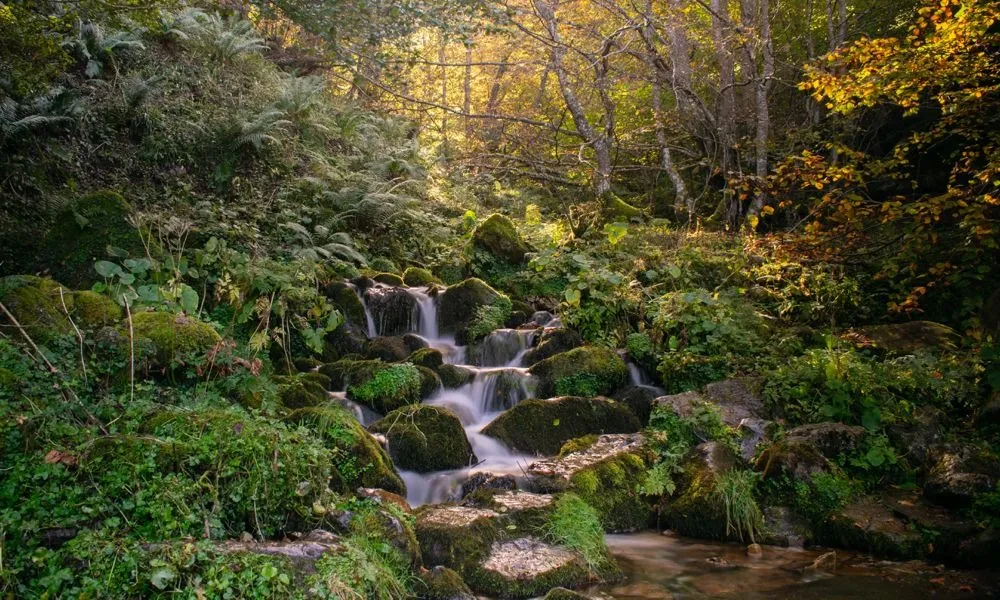
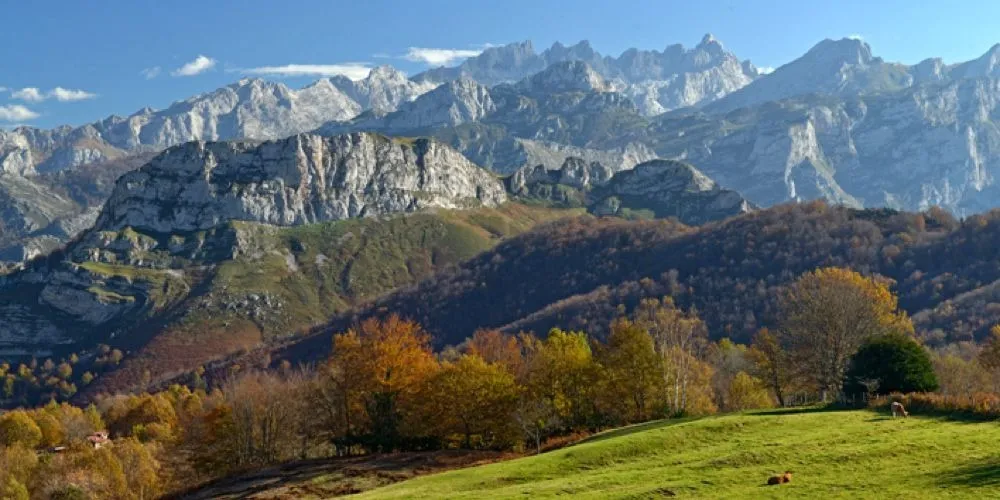
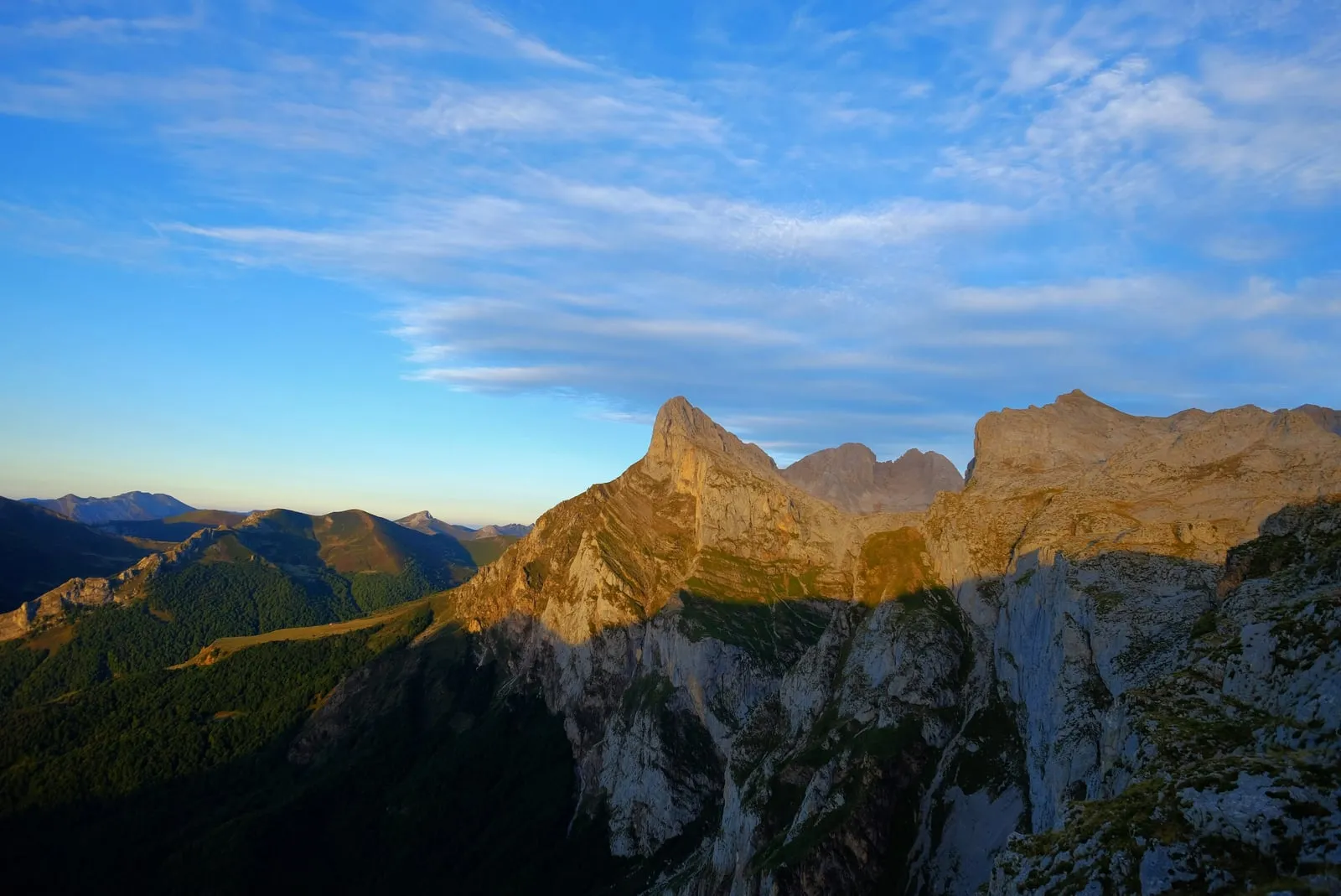
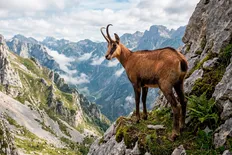
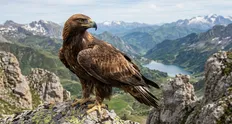
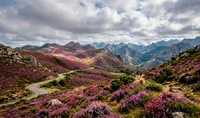
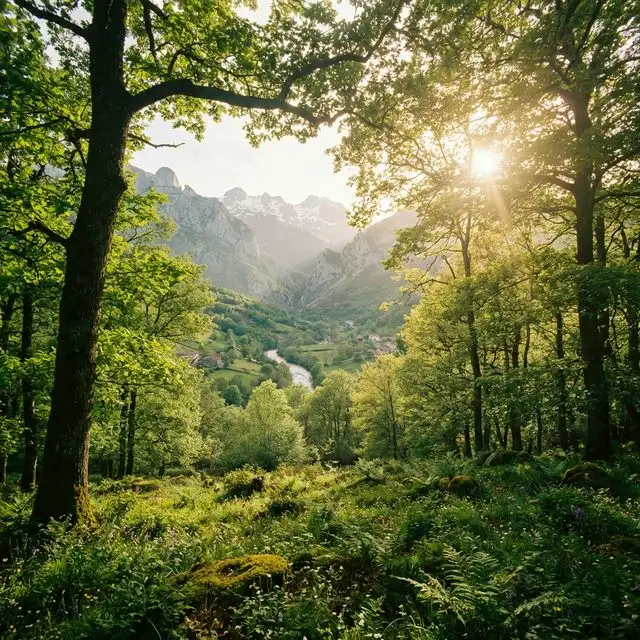
Asturias is, above all, nature. With a third of its territory protected, the Principality offers one of the richest biodiversities in Europe. From the high limestone peaks of the Picos de Europa to the deep forests of Muniellos, every corner is a sanctuary of life.
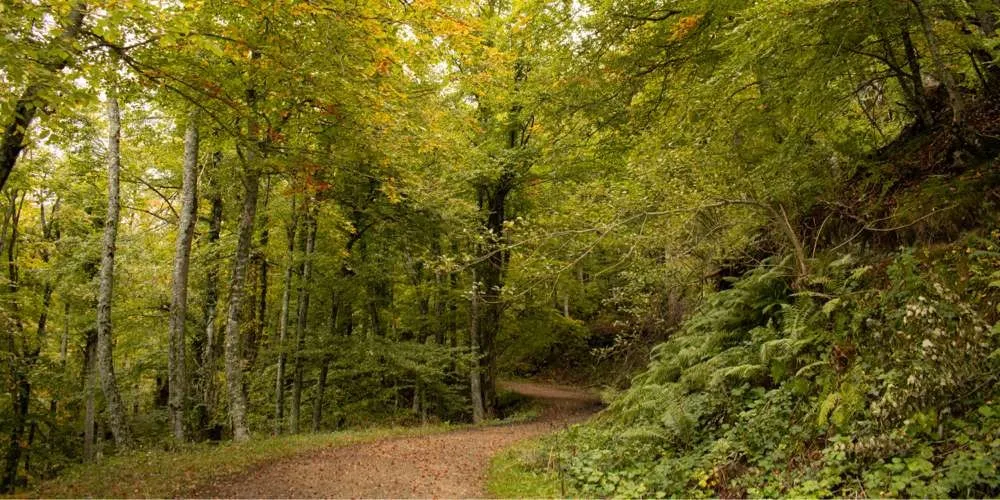
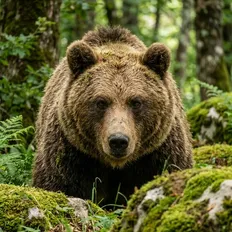
Nature tourism in Asturias is not just contemplation; it is immersion. Here you can walk along historical paths, sight the mythical brown bear in its natural habitat and breathe the pure air of the Biosphere Reserve. A sustainable experience that connects the traveler with the purest essence of the earth.
Natural Sanctuaries
Each park is a unique ecosystem. From Muniellos to the Picos de Europa, discover the biodiversity.
Fuentes del Narcea, Degaña e Ibias
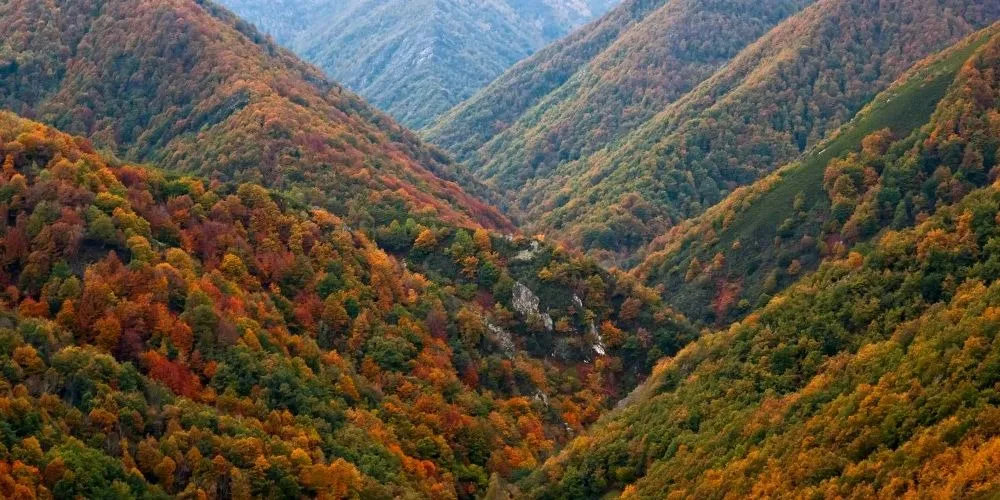
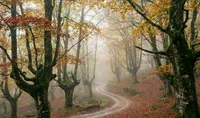
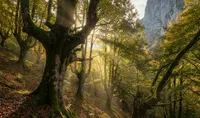
This Natural Park is home to the largest oak forest in Spain, the Muniellos Forest, and is the territory of the brown bear par excellence. A space of wild nature and living traditions in southwestern Asturias.
Las Ubiñas - La Mesa
A territory of contrasts featuring the second highest mountain massif in Asturias after the Picos de Europa. It combines limestone peaks, gorges, and the valleys of Teverga, Quirós, and Lena. Home to the Bear Trail.
Ponga Natural Park
Ponga Natural Park stands out for its rugged terrain and spectacular gorges like the Beyos. It's a land of narrow valleys, dense forests like Peloño, and emblematic peaks such as Tiatordos.
Redes Natural Park
Redes Natural Park is a UNESCO Biosphere Reserve and a protected space of deep valleys and dense beech and oak forests. It is a vital refuge for emblematic species like the brown bear and the capercaillie.
Somiedo Natural Park
Somiedo Natural Park is a protected area in the heart of the Cantabrian Mountains. Famous for being one of the last refuges of the Cantabrian brown bear and for its high mountain landscape, craggy peaks, and glacial lakes such as the Saliencia Lakes and Lago del Valle.
Experience Nature
Hiking and Trekking
Routes for all levels, from the Bear Trail to the Cares Route. Walk among millenary forests.
Ecotourism and Wildlife
Responsible observation of bears, wolves and the roaring of the deer.
Rural Culture
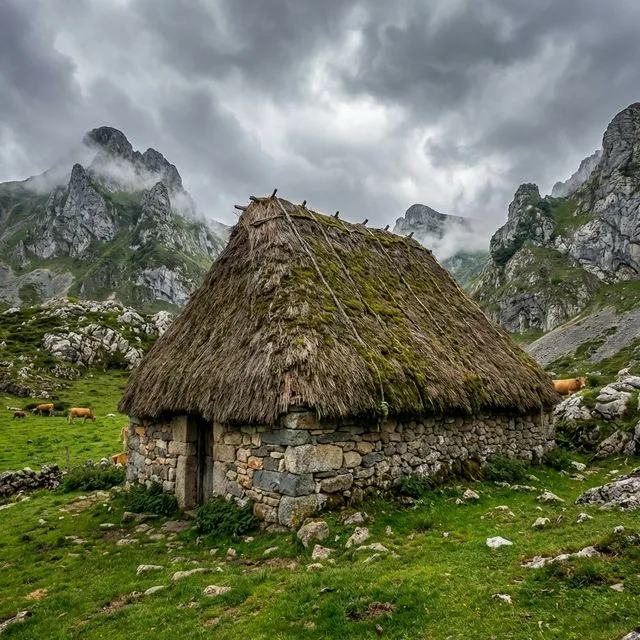
Discover the hórreos, gastronomy and vaqueiras traditions.
Plan your Visit
When is the best time to visit the Natural Parks?
Spring (May-June) and autumn (September-October) are ideal for the colors of the landscape and pleasant temperatures. Summer is perfect for high mountain routes, although it is more crowded.
Are dogs allowed in the Natural Parks of Asturias?
Yes, dogs are generally allowed but must always be leashed so as not to disturb wildlife or livestock. In some integral reserve areas (like Muniellos) access with pets is prohibited.
Is it necessary to book to visit the parks?
Access to natural parks is free and open. However, for certain restricted activities such as access to the Muniellos Integral Nature Reserve, it is essential to process a permit months in advance.
Can you camp or spend the night in a motorhome?
Wild camping is totally prohibited in the Natural Parks to protect the environment. Motorhomes must spend the night only in designated areas or official campsites.
Is it allowed to fly drones?
No, the flight of recreational drones is prohibited in the Protected Natural Spaces of Asturias without express authorization, to avoid disturbing wildlife, especially birds of prey and the brown bear.
Are there recommended routes for children?
Yes! Asturias offers many accessible and low-difficulty routes. The Bear Trail (near Ubiñas and Somiedo) or the walks around the Lakes of Covadonga (Picos de Europa) are perfect for families.
"Nature is not a place to visit.
It is home."
Gary Snyder