


About the species
Seoane's viper is the only venomous reptile in the Asturian natural parks and a species endemic to northwest Iberia and the extreme southwest of France. Discreet and generally shy, it is far more common than it appears: its highly variable colouration allows it to blend almost invisibly into vegetation.
The viper of the heathlands
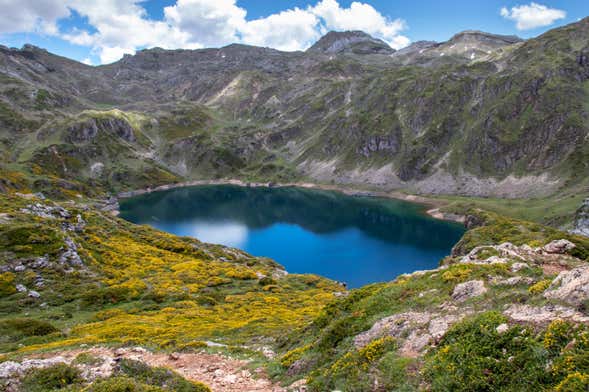
Seoane’s viper (Vipera seoanei) is the only venomous snake in the Asturian natural parks. Endemic to northern Iberia and the French Basque Country, it is perfectly adapted to the cool, humid environments of the Cantabrian Range, where it shares its territory with the heathlands and beech forests that define these mountains.
Identification and variable colouration
One of this species’ most distinctive features is its remarkable colour variability. Individuals range from pale brown with a dark dorsal zigzag — the classic viper pattern — to completely black (melanistic) specimens, with grey, reddish and nearly uniform tones in between. This variability makes identification challenging but also provides near-perfect camouflage.
Venom and danger
A bite from Seoane’s viper is the only medically significant snakebite risk in the Asturian parks. While rarely fatal to healthy adults, it can cause intense pain, swelling and, in serious cases, systemic reactions requiring medical attention. The vast majority of bites occur when the animal is accidentally stepped on or handled: the viper never attacks unless it feels threatened.
In case of a bite: stay calm, immobilise the affected limb, do not apply a tourniquet or suck the wound, and seek medical attention as soon as possible.
Behaviour and diet
Seoane’s viper is an active ambush predator that waits motionless for prey — mainly mice, voles and lizards — before killing it with an injection of haemotoxic venom. It is primarily diurnal in spring and autumn, and more crepuscular during summer.
How to behave
Seoane’s viper is a natural part of the ecosystem and deserves the same respect as any other species. If you encounter one, simply move away without disturbing it. Wearing stout ankle boots in heathland and scrub is the best prevention.
Sightings
Where to spot it


Guided experiences
Guided tours
Actividades gestionadas por Civitatis · Cancelación gratuita hasta 24h antes