

About this place
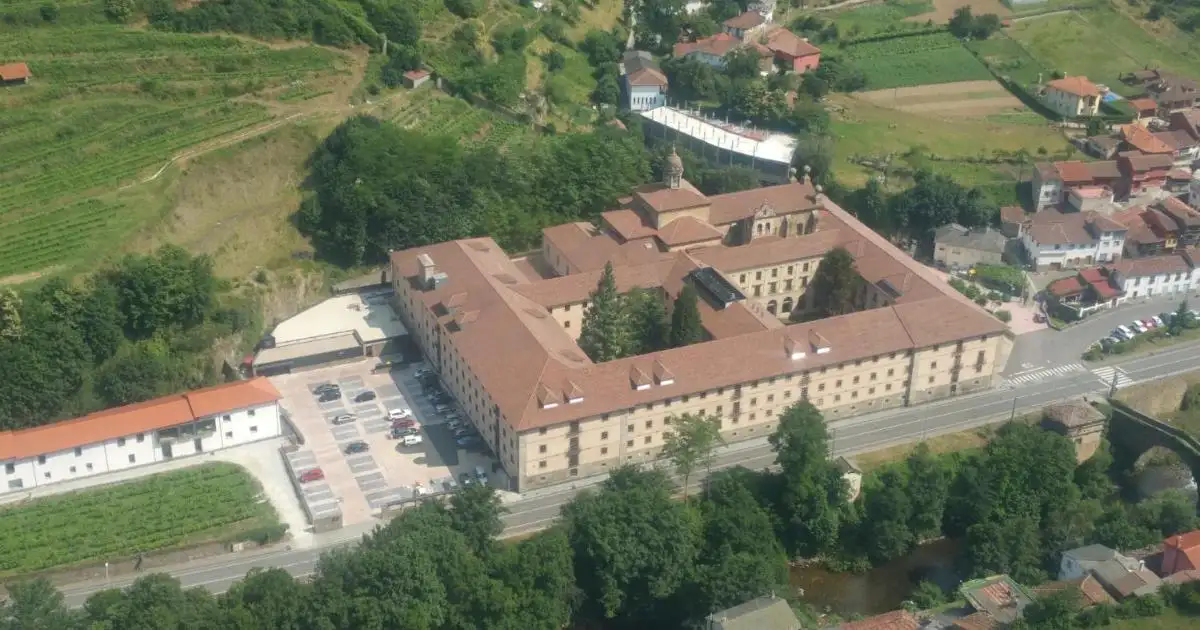
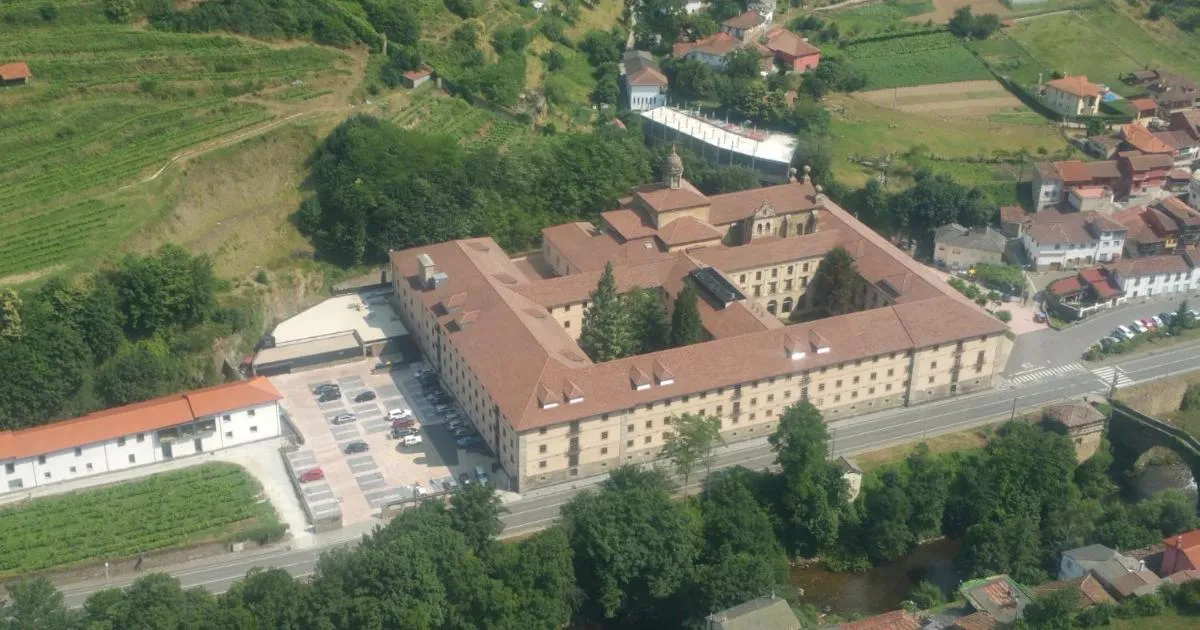
Known as the 'Asturian Escorial', this impressive Benedictine monastery combines history, architecture and wine tradition.
The Asturian Escorial
On the outskirts of Cangas del Narcea, the Monastery of San Juan Bautista de Corias surprises by its sheer scale. Founded in the 11th century by Counts Piniolo and Aldonza, it was the most important monastery of its time in western Asturias. The present church was begun in 1593 in Renaissance style; the cloister and the exterior were rebuilt after the fire of 1763, with the neoclassical sobriety that earned it its nickname. Since 2013 it has been a Parador hotel.
Corias in figures
- Where it is: Corias (Courias), 2 km from Cangas del Narcea.
- What it is today: a Parador hotel; the cloister and common areas can be seen by walking in through the Parador.
- Guided tour of the monastery: by booking, €6 (children free).
- Winery: tour with tasting, by booking, €20.
- Natural Park Interpretation Centre: in the old stables; open in summer.
What to see in the monastery
- The church. Very large, on a Latin-cross plan with a dome over the crossing. It holds Baroque altarpieces and a valuable 12th-century Romanesque Christ, the “Cristo de la Cantonada”.
- The cloister. A space of calm and symmetry, around which the church, the sacristy, the refectory and the kitchens are arranged.
- The sacristy, included in the guided tour.
- The excavations. Remains of the medieval foundation can be seen below ground.
Guided tours
Guided tours of the monastery are run by the company GreenDoor Asturias and must be booked (+34 659 277 277, +34 626 991 157 or greendoorasturias.com). In October 2026 they leave from the church door at 11:00, Monday to Saturday, last one hour and cost €6; children go free. Times change with the season: confirm when you book.
On your own, entering through the Parador, you can see the cloister and the common areas.
The winery and Cangas wine
Corias is closely tied to Cangas wine (PDO). It was the monks who reintroduced and perfected vine growing on these steep slopes, in what is now called “heroic viticulture”.
Bodegas Monasterio de Corias offers a guided tour with a commented tasting of its wines, made from native varieties such as Albarín, Verdejo Negro and Carrasquín, and a taste of chosco de Tineo, the local cured meat.
- Booking essential: +34 646 015 062.
- Usual times: Monday to Friday at 12:00 and 18:00; Saturdays at 12:00. They may change during the grape harvest.
- Price: €20 for adults; free for under-18s, who do not take part in the tasting.
More on the wine landscape in the Cangas vineyards.
The Natural Park Interpretation Centre
The monastery’s former stables house the Interpretation Centre of the Fuentes del Narcea, Degaña e Ibias Natural Park. It has five rooms: the natural environment, people and the land, the park, the monastery itself and an old cocoa mill preserved in the building.
It opens every day in July, August and September, from 10:00 to 14:00 and from 15:00 to 18:30. It is closed for the rest of the year.
What to see near Corias
- Cangas del Narcea, 2 km away, with its old quarter of palaces, bridges and manor houses.
- The Muniellos Reserve, the largest oak forest in Spain, which requires a permit.
- The Moal forest, the alternative that needs no permit.
Sleeping in the monastery
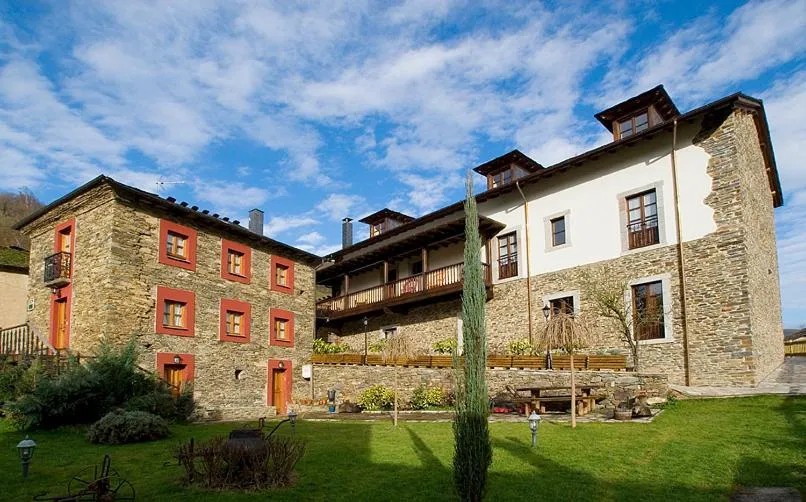
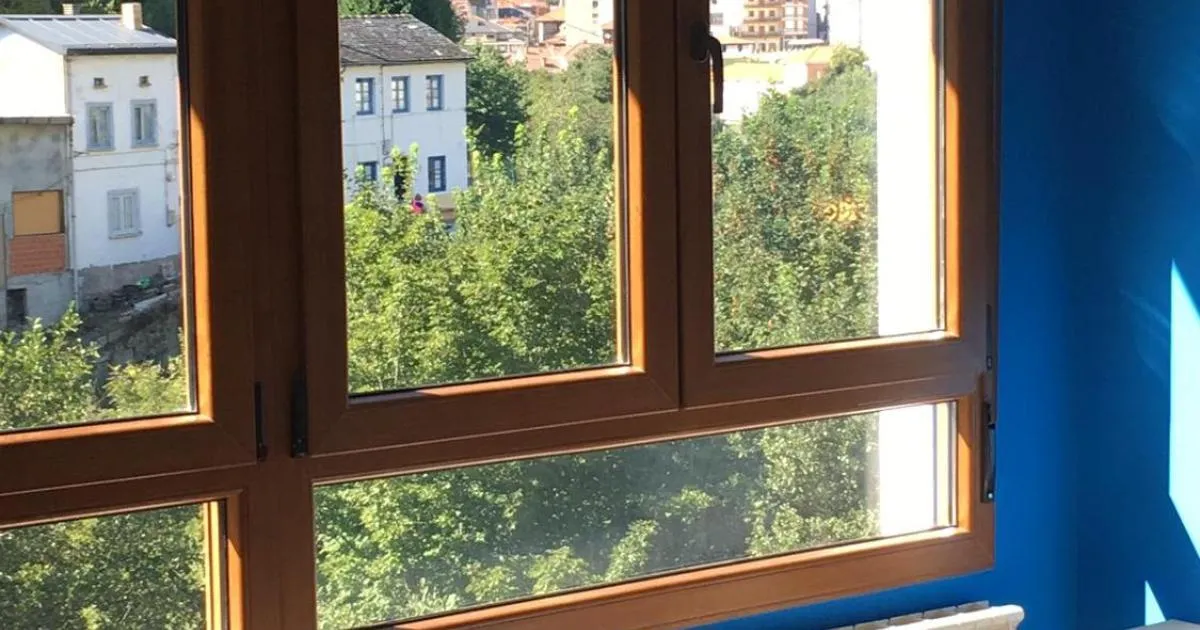
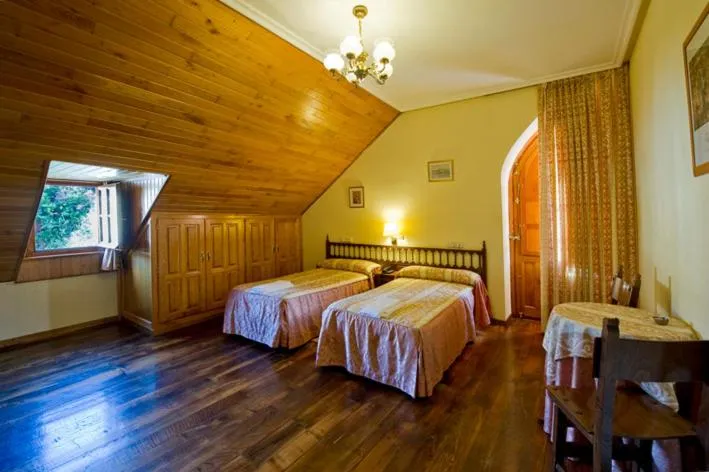
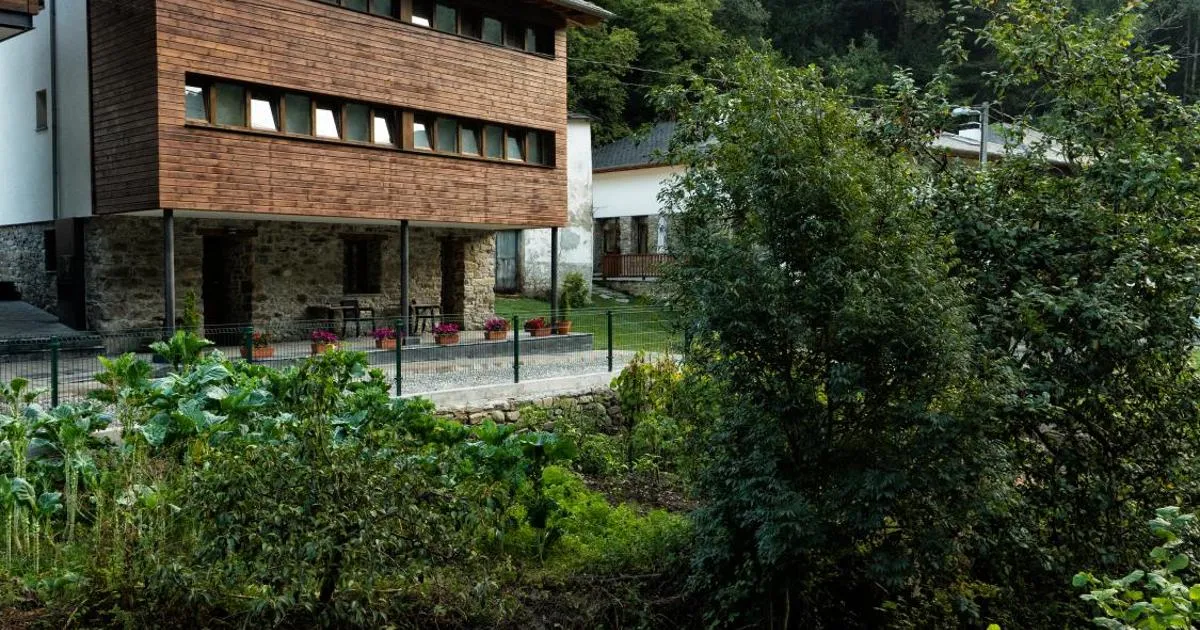
The Parador occupies the monastery itself, so you can sleep inside it. If you want something else, there are rural hotels and apartments in places to stay in Fuentes del Narcea.
Frequently asked questions
Can you visit Corias Monastery without staying at the Parador?
Yes. The cloister and common areas can be seen by entering through the Parador, and there are guided tours by booking.
How much is the guided tour?
€6 for adults; children go free (price in October 2026).
Why is it called the Asturian Escorial?
Because of its great size and the sobriety of its architecture.
How far is it from Cangas del Narcea?
2 km.
Where to stay
Accommodation in Fuentes del Narcea
Guided experiences
Guided tours
Booked on GetYourGuide; each activity shows its cancellation policy.
Keep exploring


