When it snows up high, walk down low
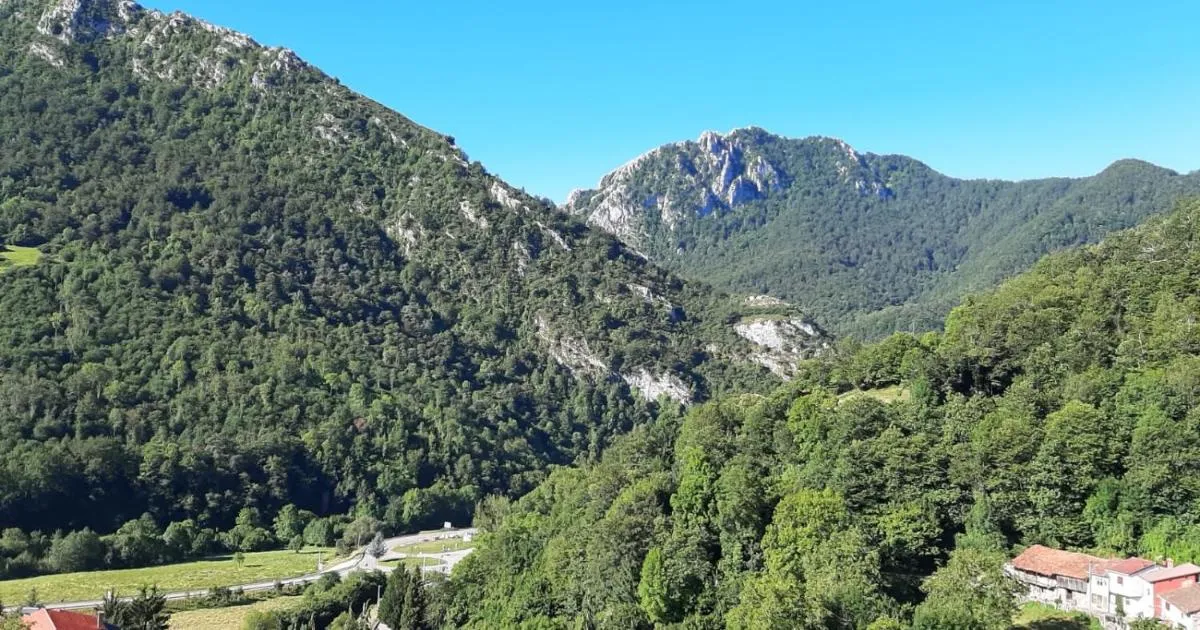
In winter the mountain passes of the Cantabrian range are covered in snow, and the mountain routes call for snowshoes or crampons. The valleys, though, stay green: the rivers run higher, the waterfalls are at their best and the villages are almost empty of visitors.
This guide gathers ten routes that stay below 900 metres, with their figures, for walking between December and March without snow gear. If it is snow you are after, see the guide to snowshoeing in Asturias.
The ten routes at a glance
| Route | Km | Ascent | Max. height |
|---|---|---|---|
| Accessible Path, Pola de Somiedo | 4 | 30 m | 704 m |
| Castro route | 4 | 200 m | 803 m |
| Guanga waterfall | 3.5 | 250 m | 365 m |
| Olla de San Vicente | 5 | 190 m | 289 m |
| Walk to Bulnes | 3.5 | 400 m | 702 m |
| Senda del Oso | 22 | 290 m | 458 m |
| Alba river route | 14 | 416 m | 823 m |
| Ponga valley route | 11 | 450 m | 615 m |
| Gold Trail (Senda del Oro) | 9 | 350 m | 596 m |
| Pomar de las Montañas | 10 | 350 m | 848 m |
No mud, and for everyone
Senda del Oso. The greenway on the old Teverga mining railway: paved, fenced, with lit tunnels, and downhill if you go from Entrago to Tuñón. It is the safest route for a rainy day, on foot or by bike; halfway along are the enclosures of the Fundación Oso de Asturias in Proaza.
Accessible Path, Pola de Somiedo. Four kilometres beside the Somiedo river with 30 metres of ascent, designed for wheelchairs and pushchairs. It can be walked all year and is the alternative when snow closes the rest of the park.
Castro route. It starts at the La Malva power station, built in 1917, and climbs among holm oaks to the hamlet of Castro, with a view over the entrance to the park. It runs along the bottom of the valley, so it can be walked in almost any season.
Rivers and waterfalls in full flow
Alba river route. The emblem of Redes: from Soto de Agues a track follows the Alba to the Foces del Llaímo, a white-rock gorge with waterfalls and pools. It is long but has no technical sections. The shady stretches are slippery after rain.
Guanga waterfall. Close to Oviedo and outside the parks: a climb along a track and a descent down the ravine past several waterfalls. In winter the main fall is in full flow and the path is very muddy: wear boots with good grip and take poles.
Olla de San Vicente. It follows the Dobra river from the Puente Vieyu, near Tornín, to an emerald pool. In summer it is crowded; in winter it is a different walk. The polished limestone is very slippery when wet.
Villages and old paths
Walk to Bulnes. Three and a half relentless uphill kilometres from Poncebos to the best-known village without a road in Spain. You can come down on the funicular, which runs a shorter timetable in the low season and stops at midday: check before you go. After heavy snowfall the road to Poncebos can be closed.
Ponga valley route. A loop through San Juan de Beleño, Sobrefoz and Abiegos, with manor houses, granaries and the outline of the Tiatordos. Every village has a fountain; the cobbled stretches are slippery in the rain.
Pomar de las Montañas. A loop from Besullo, the village of the playwright Alejandro Casona, through oak woods and the hamlet of El Pumar, with a final stretch that looks out over the valleys of Cangas and Allande.
Where winter is milder
Gold Trail (Senda del Oro). Ibias has an almost Mediterranean climate: summer is very hot, which makes winter a good time for this loop from San Antolín, among chestnut trees, terraced vineyards and the channels the Romans cut to mine gold.
What to bear in mind in winter
- Daylight. In December it gets dark before six in the evening, and earlier in narrow valleys. Plan your return with time to spare.
- Mud and wet rock. Almost all these routes have stretches of path: wear waterproof boots with a good sole, even if the route is easy.
- High rivers. After heavy rain, keep away from the edges of pools and waterfalls.
- Roads. Before setting off, check road conditions on 112 Asturias and the AEMET forecast.
- Best avoided in winter. The Cares route can have ice in its galleries, and summits such as Peña Ubiña or the Cornón call for crampons and an ice axe.
Where to stay
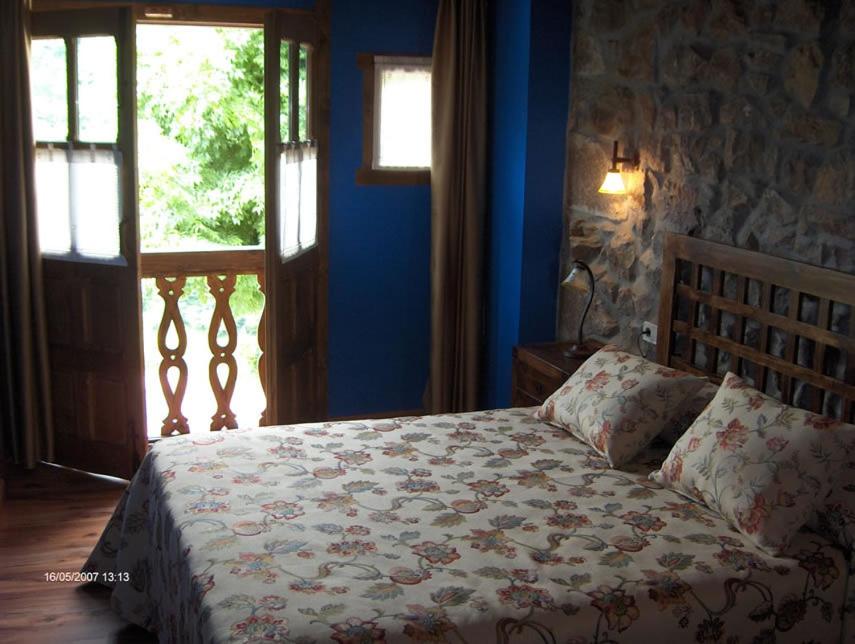
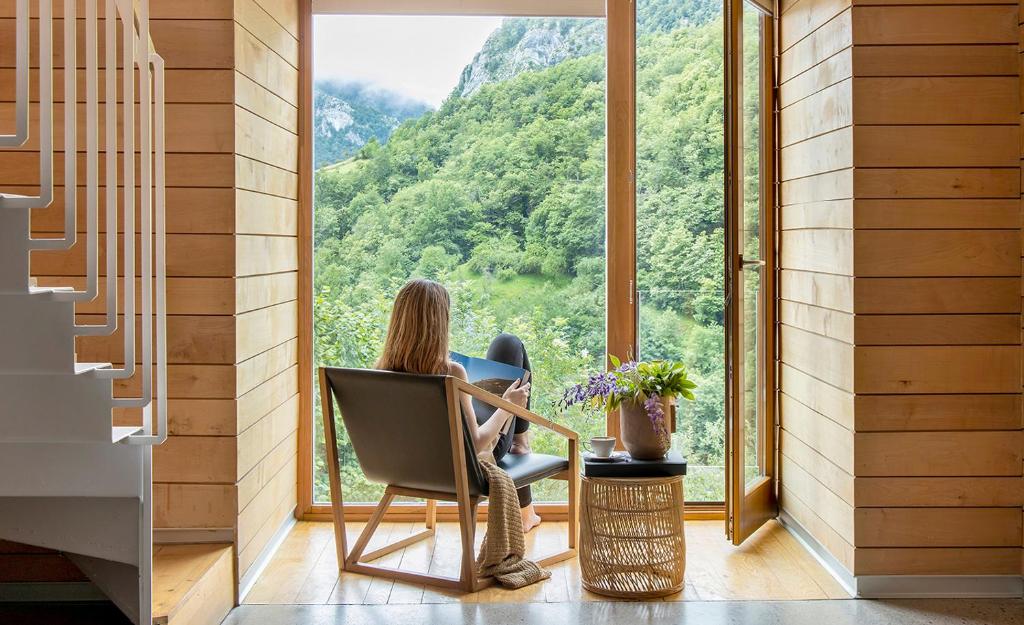
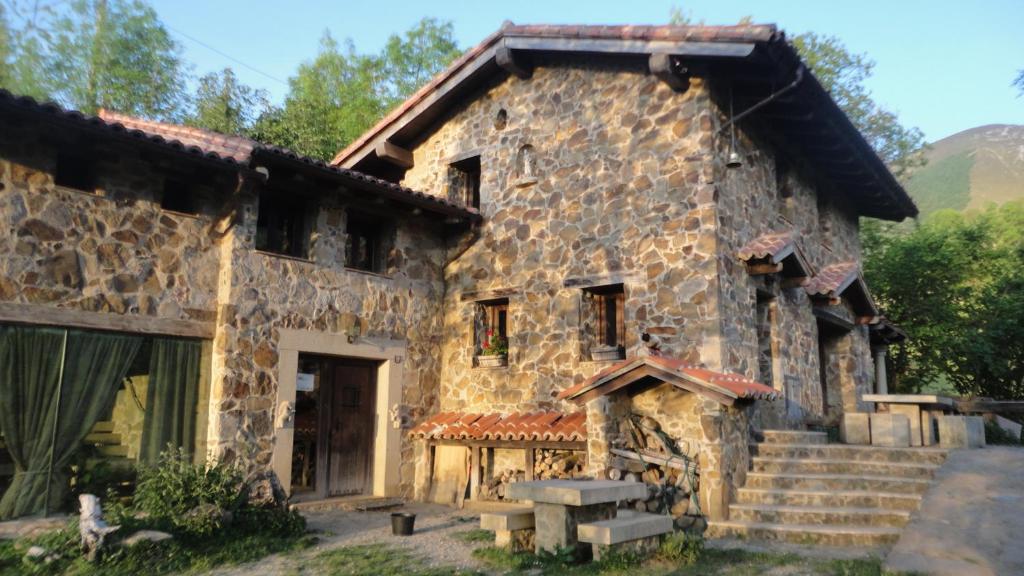
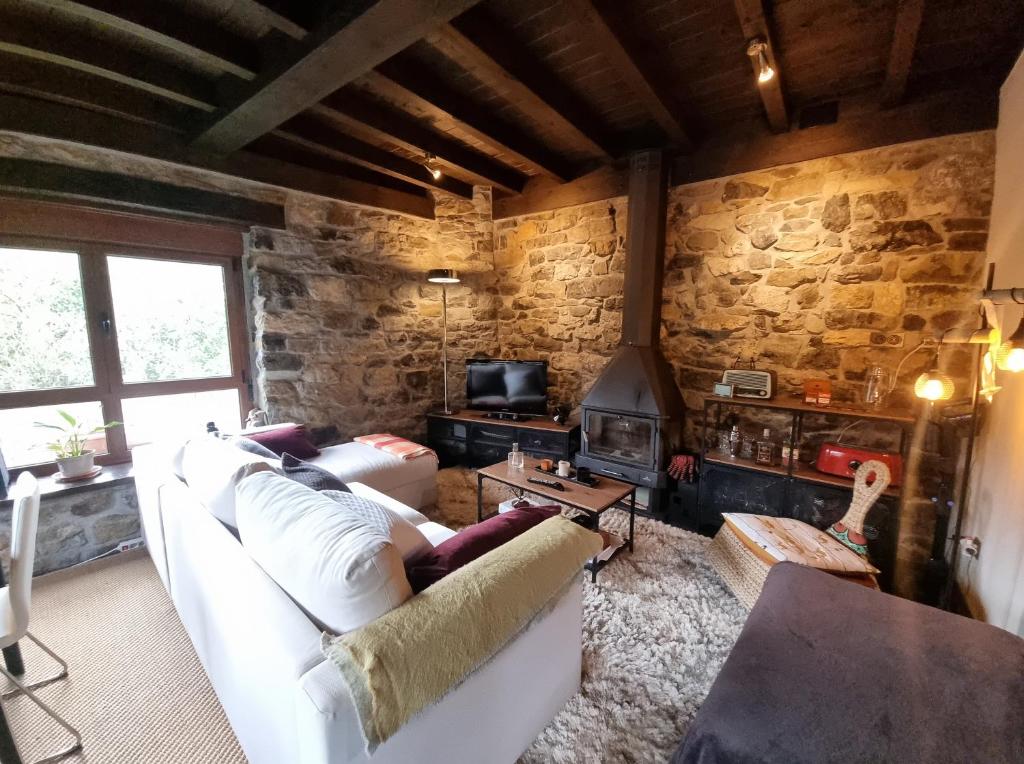
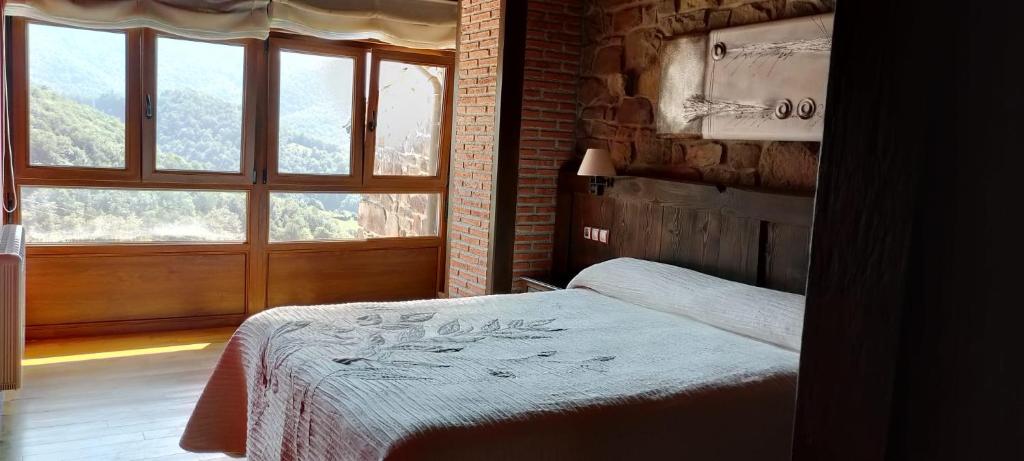
Outside bank holidays and Christmas, winter is the quietest season, with the most availability in rural accommodation. On each page you can enter your dates and see what is free:
- Redes (Alba river): accommodation in Redes
- Somiedo (Accessible Path and Castro): accommodation in Somiedo
- Teverga and Quirós (Senda del Oso): accommodation in Las Ubiñas-La Mesa
- Ponga (Ponga valley and Olla de San Vicente): accommodation in Ponga
- Cangas del Narcea and Ibias (Pomar de las Montañas and the Gold Trail): accommodation in Fuentes del Narcea